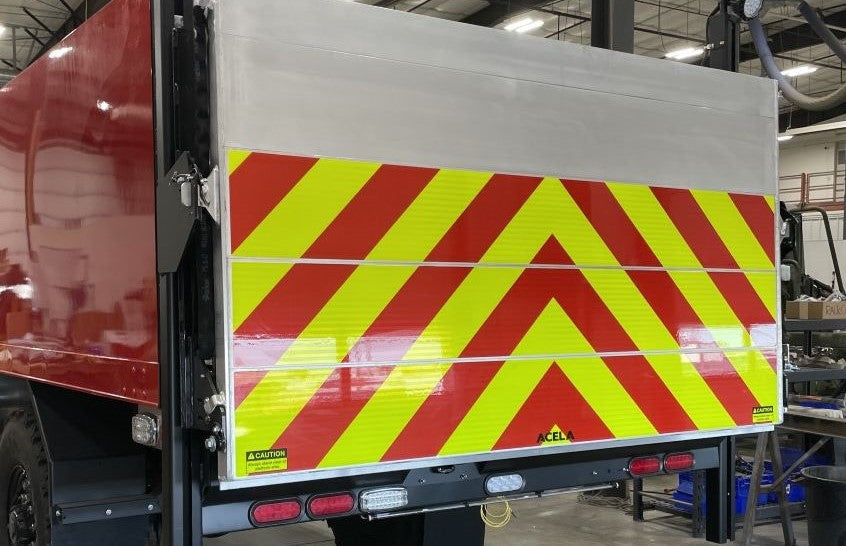






Canadian winters are known for heavy snow, ice, and roads treated with salt. For companies operating vehicle fleets, trailers, or rolling equipment, reflective tapes and markings are essential for safety. However, constant exposure to harsh weather and road salt can reduce their effectiveness and lifespan. Here’s how to protect your reflective tape and ensure optimal performance throughout the winter.
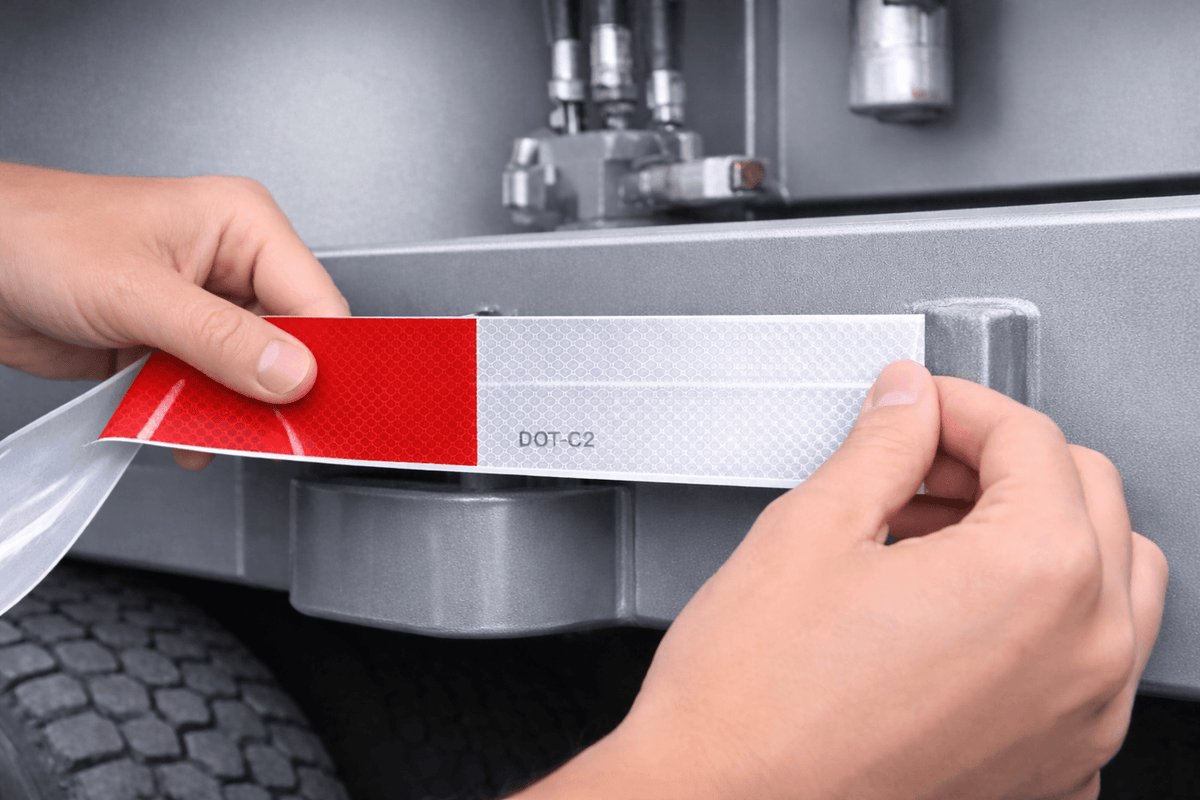
1. Proper Installation: A Key Factor in Durability
The way your tape is installed directly impacts its performance:
- Apply reflective tape to clean, dry, and smooth surfaces to ensure maximum adhesion.
- Avoid areas prone to excessive salt buildup or repeated impacts.
- Be sure to choose edges seales tape to prevent moisture from seeping underneath, which could lead to premature peeling.
- Using the right tools and proper installation techniques helps ensure long-term durability.
- Careful installation extends the lifespan of your reflective tape and guarantees effectiveness in all conditions.
2. Regular Cleaning: Essential Maintenance
Salt, mud, and snow can build up on reflective tape, reducing visibility and effectiveness. To prevent this:
- Wash your vehicles regularly, even in winter, using lukewarm water and mild soap.
- Be careful when using powerful pressure washers, as they can damage the surface and cause the tape to peel. Do not direct the jet at less than a 45-degree angle.
- Thoroughly dry surfaces after washing to prevent corrosion and moisture buildup under the tape.
- After heavy salt exposure following a storm, a simple rinse may be enough to maintain reflectivity.
- Regular cleaning helps keep your vehicles visible and compliant with safety standards.
3. Inspection and Replacement: Prevent Problems Before They Start
Reflective tape endures significant wear during winter: snow removal impacts, flying gravel, and frequent friction can cause damage. It is important to:
- Inspect your tape before and throughout the winter season to detect cracks, peeling, or discoloration.
- Immediately replace damaged tape to avoid compromising safety.
- Choose professional-grade reflective tape designed to withstand extreme conditions and temperature fluctuations.
Preventive inspections help you avoid costly accidents and regulatory non-compliance.
4. Protecting Your Tape: Simple and Effective Solutions
Certain measures can extend the lifespan of reflective tape:
- Avoid harsh chemicals such as strong solvents or heavy degreasers, which can damage color and reflectivity.
- Apply additional mechanical protection to high-exposure areas, such as lower panels or trailer edges. These small precautions help maintain optimal visibility even after weeks of exposure.
5. Preparing Your Fleet for Winter: Ongoing Maintenance
To maximize safety and visibility during winter:
- Remove damaged or worn tape from the previous year and replace it as needed to maintain visibility and safety levels.
- Schedule regular inspections throughout the season to quickly identify potential issues.
- Apply additional protective measures if recommended by the manufacturer or your supplier. A well-prepared fleet reduces accident risks, protects your vehicles, and ensures compliance with regulatory standards.
Need to Ensure Your Fleet’s Safety and Visibility This Winter?
Contact us today to choose the right reflective tape for your vehicles and receive personalized advice.